

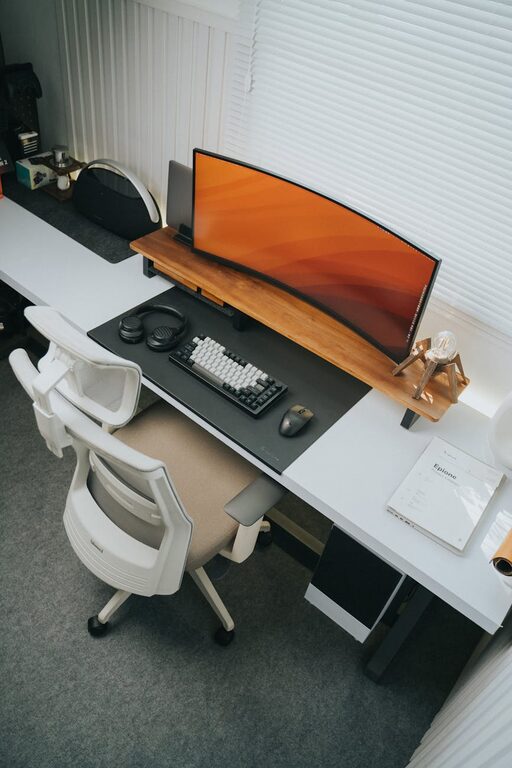
Having a dedicated home workspace that is both cozy and functional can significantly improve your productivity and overall work-life balance. Whether you work remotely full-time or occasionally need a spot to focus, organizing your workspace thoughtfully makes a big difference. Here are some practical tips to help you create a comfortable and efficient home office environment.
Choose the Right Location
The first step in setting up a workspace is selecting the best spot in your home.
– Natural light: Aim for a location near a window to maximize natural daylight. It boosts mood and helps reduce eye strain.
– Quiet zone: Pick a space away from household distractions such as the kitchen or living room.
– Space availability: Consider areas like a spare bedroom, a nook, or even a corner of the living room with enough room for a desk and chair.
Invest in Comfortable Furniture
Comfort influences focus and reduces physical strain during long hours.
– Ergonomic chair: Choose a chair that supports your lower back and allows feet to rest flat on the floor.
– Appropriate desk: Select a desk size that comfortably fits your computer, notebook, and other essentials without overcrowding.
– Adjustable elements: If possible, use adjustable desks or chairs to change positions throughout the day.
Organize with Smart Storage Solutions
Keeping your workspace tidy helps minimize distractions and keeps important items easily accessible.
– Desk organizers: Use trays, pen holders, and small containers to keep supplies orderly.
– Shelves and cabinets: Install shelves or small cabinets near your workspace for books, files, and equipment.
– Cable management: Use clips or cable sleeves to keep cords neat and prevent tangling.
Personalize the Space
A workspace that feels welcoming motivates you to spend time there.
– Decor: Add a few personal touches like photos, artwork, or plants for visual appeal.
– Colors: Choose calming or inspiring colors depending on your taste—soft blues and greens are often relaxing, while yellows can add energy.
– Lighting: Besides natural light, use adjustable desk lamps or warm ambient lighting that reduces glare.
Create Zones for Different Tasks
If your work involves various activities such as computer work, reading, or crafting, having distinct zones can help.
– Clear division: Separate your desk area from other parts of the room with rugs or furniture arrangement.
– Task-specific tools: Keep tools or materials relevant to each task within that zone to streamline your workflow.
Minimize Clutter Daily
Small habits go a long way in maintaining organization.
– End-of-day routine: Spend 5 minutes tidying your desk to prepare for the next day.
– Limit items: Keep only essentials on your desk to avoid visual clutter.
– Digital organization: Organize your computer files and emails regularly to reduce digital mess.
Optimize Technology Setup
An efficient technology setup ensures smooth workflow.
– Reliable internet: Position your workspace where Wi-Fi signal is strong or use wired connections if needed.
– Monitor placement: Set your monitor at eye level to prevent neck strain.
– Accessories: Use external keyboards, mice, or screens that improve comfort and productivity.
Incorporate Break and Relaxation Elements
Your workspace should encourage regular breaks to maintain focus.
– Comfortable seating: Include a small chair or cushion where you can step away briefly from your desk.
– Break reminders: Use timers or apps to prompt short breaks for stretching and movement.
– Water and snacks: Keep a water bottle and healthy snacks nearby to stay energized.
Consider Noise Control
Reducing noise distractions enhances concentration.
– Soundproofing: Use rugs, curtains, or foam panels to absorb sound if needed.
– Headphones: Noise-cancelling headphones can block out ambient noise and help you focus.
– White noise: Some people prefer using white noise machines or apps to mask distracting sounds.
Keep Your Workspace Flexible
Finally, allow your workspace to evolve with your needs.
– Modular furniture: Choose pieces that are easy to rearrange or repurpose.
– Seasonal changes: Adjust lighting and decor as seasons change to maintain comfort.
– Continuous improvement: Periodically assess what works and what doesn’t, making changes to keep your space both cozy and productive.
—
By choosing the right location, prioritizing comfort, organizing thoughtfully, and personalizing your space, you can create a home workspace that enhances your productivity while keeping you comfortable. Remember, small habits like daily tidying and taking regular breaks also contribute to a more enjoyable and effective work environment. Take the time to set up your perfect spot—you’ll thank yourself later!